
Local Law 97 Compliance for various Multifamily Building Portfolio
Project Overview:
This project involved bringing over 150 buildings across New York City into compliance with Local Law 97. The portfolio included mostly rent-regulated multifamily buildings under Article 321, along with a smaller number of commercial properties under Article 320.
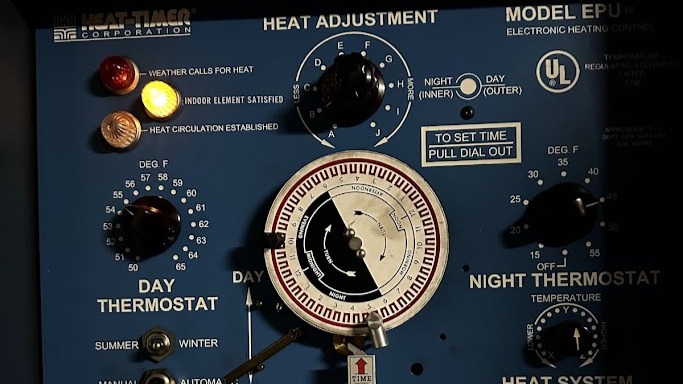
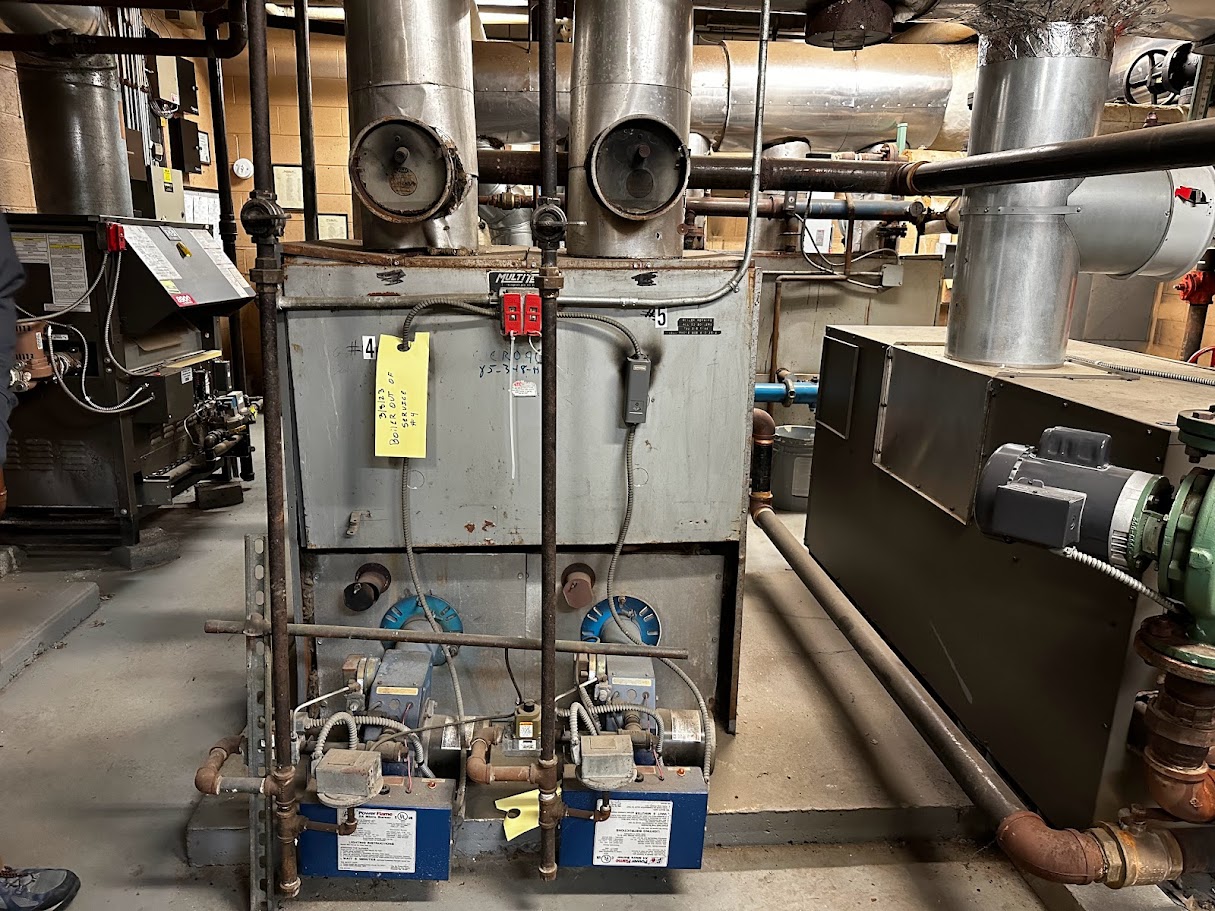
The work focused on site-by-site evaluations of building systems, including boilers, piping, controls, ventilation, and overall energy performance. For the multifamily buildings, we implemented the required 13 prescriptive measures, with a heavy focus on steam system performance, proper venting, pipe insulation, and installing temperature-based control systems. For the commercial properties, we verified emissions against the required limits.
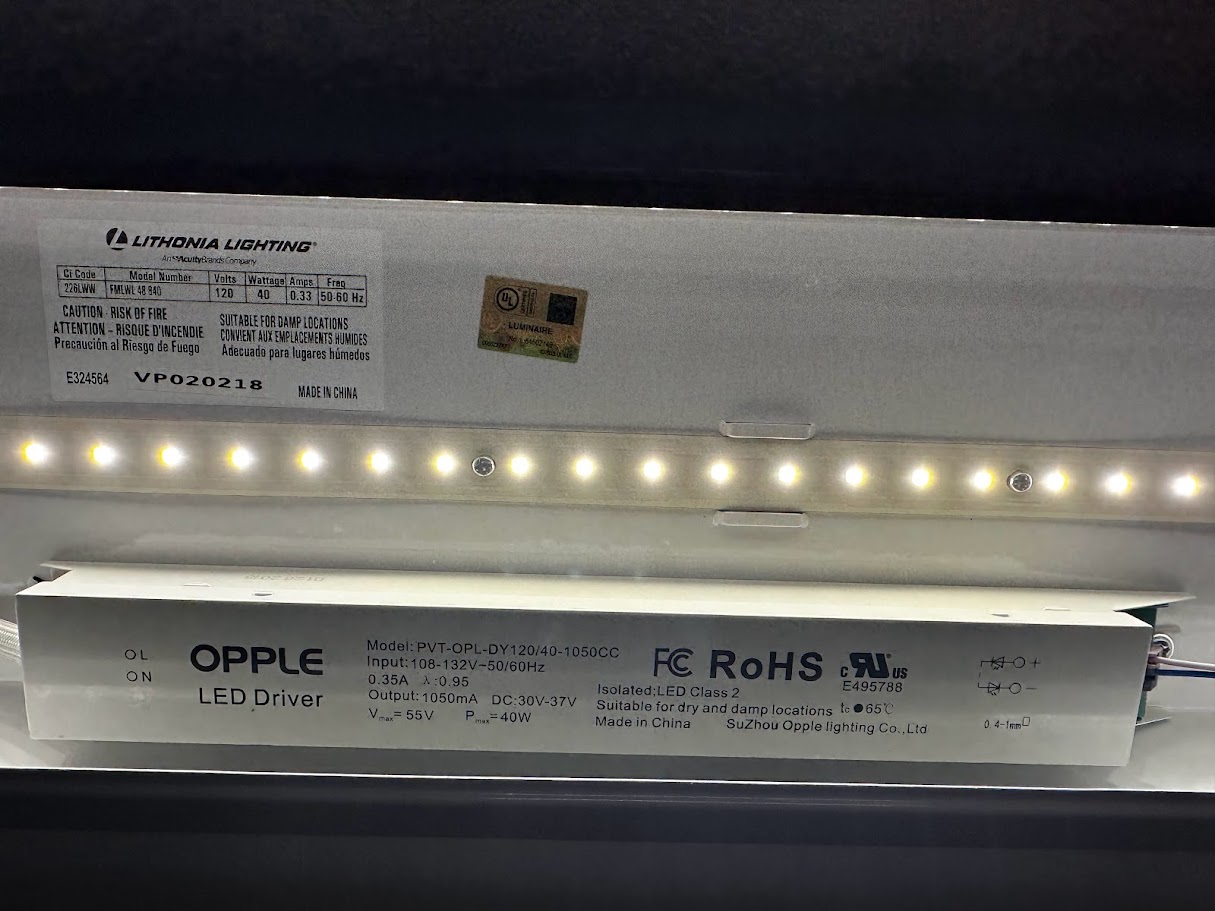
We also handled related compliance work, including Local Law 88 lighting upgrades, adding controls, and addressing metering requirements. Most of these buildings were operating under tight budgets, so the approach was to get them compliant in a practical, cost-effective way.
In the end, the buildings were brought into compliance and saw measurable reductions in emissions, backed by benchmarking data and improved system performance.
Project Highlights:
- Brought over 150 buildings into Local Law 97 compliance across all five boroughs, including both Article 321 and Article 320 properties.
- Implemented the 13 prescriptive measures for rent-regulated multifamily buildings, with a focus on steam system performance, proper venting, and full pipe insulation.
- Installed temperature-based boiler control systems with in-unit sensors to improve heating efficiency and reduce energy waste.
- Upgraded lighting systems to meet Local Law 88 requirements, including conversion to LED and installation of required controls.
- Verified emissions for commercial buildings to ensure compliance with Local Law 97 thresholds.
- Addressed metering requirements and overall building energy performance through detailed site inspections and system reviews.
- Delivered compliance solutions under tight financial constraints, prioritizing practical, cost-effective upgrades.
- Achieved measurable emissions reductions across the portfolio, supported by benchmarking data and improved system operation.
Project Experience:
This project reflects hands-on experience navigating Local Law 97 at scale, across a wide range of building types and conditions throughout New York City. The work required not just technical knowledge, but the ability to interpret a new and evolving law and apply it in the field in a practical way.
The process involved multiple site visits per building, reviewing mechanical systems, steam distribution, insulation conditions, ventilation, lighting, and overall energy performance. A big part of the work was identifying gaps between existing conditions and compliance requirements, then translating that into clear, actionable scopes.
For Article 321 buildings, the focus was on implementing the 13 prescriptive measures in a way that actually worked in older, often poorly maintained steam systems. For Article 320 properties, it meant validating emissions data and confirming compliance against set limits.
There was constant coordination with ownership, building staff, and contractors, especially since many of these properties were financially constrained. Every recommendation had to be practical.
At the same time, the regulatory landscape was still developing, so part of the job was staying current with DOB guidance and applying it in real time. The end result was a portfolio of buildings that not only met compliance requirements but also saw real improvements in system performance and energy use.
Project Overcome:
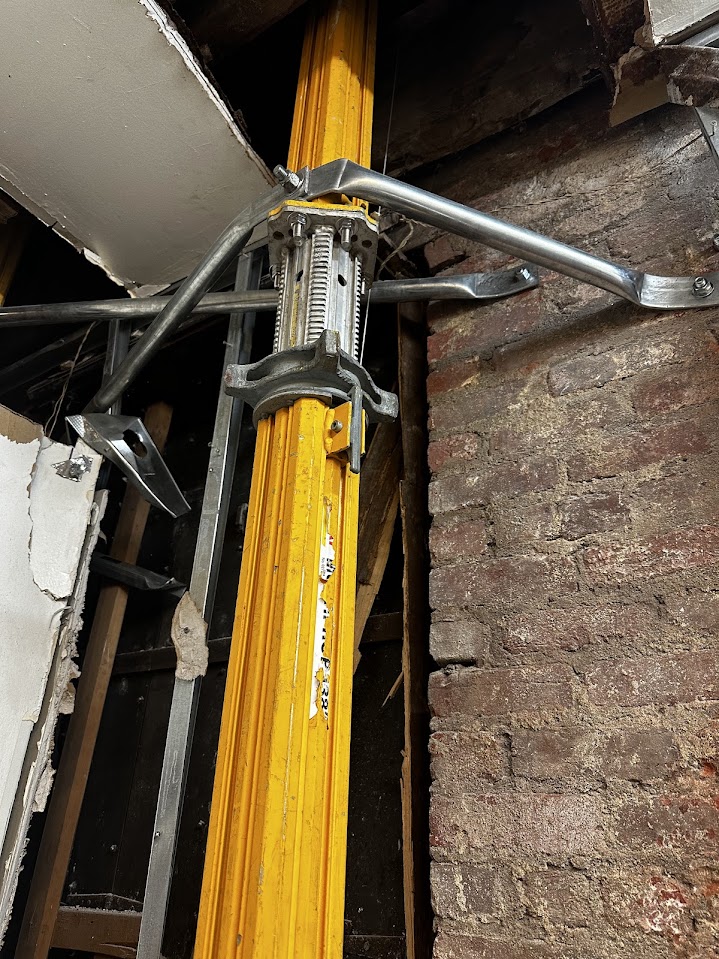
This project involved working through the challenges of implementing a new and evolving law across a large portfolio of buildings, many of which were older, rent-regulated, and operating under tight financial constraints.
A major hurdle was the lack of clear guidance early on, which required ongoing coordination with the DOB and continuous adjustment as requirements became better defined. Each building also presented different existing conditions, especially with aging steam systems that were often inefficient or poorly maintained.
Despite this, the project successfully brought all buildings into compliance with Local Law 97 and related laws, while staying within realistic budget limits. The result was not just compliance, but improved system performance and measurable reductions in emissions across the portfolio.

contact@theOrderingForce.com